
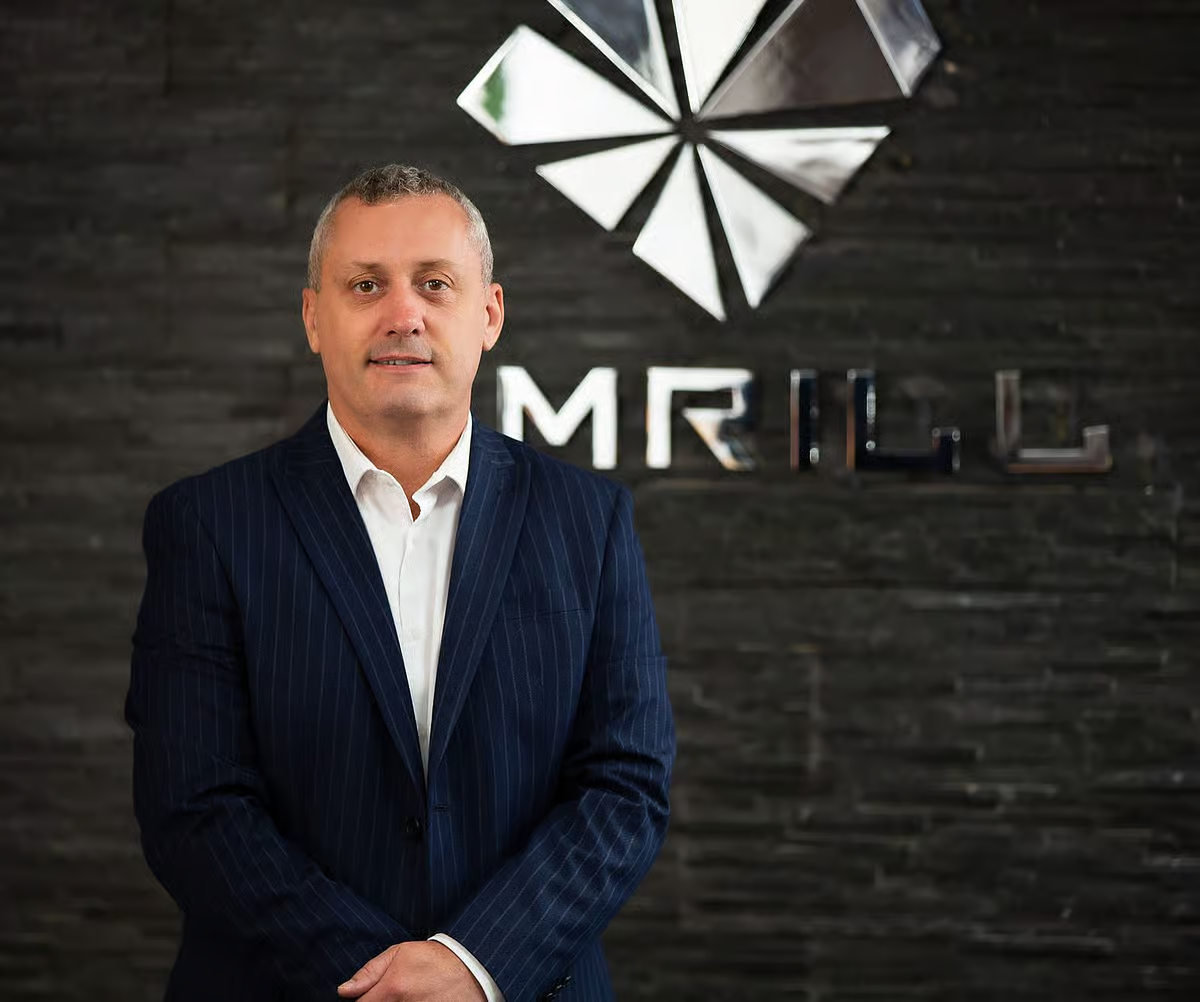
Stuart Harrison, CEO of Emrill Services, highlights the importance of sustainability and energy efficiency in facilities management, especially amidst the rapid urbanisation in the UAE. “Sustainability and energy efficiency in facilities management are vital. Emrill’s 10-year sustainability strategy aims to reduce its carbon footprint by 15 per cent, waste by 20 per cent, and water usage by 15 per cent, with quarterly targets of 0.5 per cent. Our programmes like ‘United for Sustainability’ and ‘Together for Sustainability’ focus on reducing environmental impact and improving efficiencies, aligning with the UAE’s vision for a greener future,” he said.
In this context, Oberlin emphasises the role of sustainability and energy efficiency in the UAE’s journey towards achieving net-zero ambitions and underscores the importance of FM companies embracing a digital approach to their operations. “As I’ve already alluded to, sustainability and energy efficiency will be integral to the UAE’s net zero ambitions. It also benefits building owners by reducing their operating costs particularly utilities and asset management, as well as improving the quality of the indoor environment for tenants. This helps to improve tenant acquisition and retention as well as the developer’s corporate image. So, it is crucial that FM companies adopt a digital approach to their operations.”
Usage of CAFM and BIM Software: The growing trend of automated building management solutions is prompting numerous corporate entities to embrace emerging technological advancements in facility management. This includes the rising adoption of computer-aided facility management (CAFM) and building information modeling (BIM) software in both facility management and real estate sectors. These tools are utilised for creating and monitoring virtual models of building operations.
Moreover, the implementation of Integrated Workplace Management Systems (IWMS) for managing real estate portfolios is expected to drive growth in the UAE facility management market during the forecast period. “By integrating advanced technologies such as CAFM systems and IWMS, FM services can manage and optimise building operations comprehensively, from real estate and maintenance to project management and sustainability efforts,” Chauhan notes.
“Internet of Things (IoT) devices are crucial for real-time monitoring and control, enabling automated adjustments in systems like HVAC and lighting based on occupancy and other factors, thus improving energy efficiency and reducing operational costs. Additionally, Building Information Modeling (BIM) supports the lifecycle management of facilities from construction to operation, enhancing the planning and maintenance processes.”
The integration of Artificial Intelligence (AI) and Machine Learning (ML) also play a pivotal role in the UAE’s dynamic FM sector, alongside other technological advancements.
“AI and ML further contribute by predicting equipment failures and optimising resource use, which helps prevent downtime and extends the lifespan of assets. Robotics and drones offer practical solutions for routine maintenance, security, and inspections, reducing the need for human intervention and enhancing safety,” Chauhan said.
Lastly, he said mobile technology and cybersecurity are essential for ensuring that facility managers can respond swiftly to issues and protect data and systems from cyber threats.
Adding to this, Oberlin underscores the pivotal role of technology in enhancing the efficiency and effectiveness of facilities management services in the UAE.
“Technology is key to the future of FM in the UAE as well as the wider GCC. It is now undoubtedly a critical enabler and it is transforming how facilities are maintained, managed and optimised. Through connectivity, FM managers can now make informed, data-driven decisions in real time which supports proactive planning and improves resource allocation,” he said.
He further adds, “To highlight the importance that the Dubai government places on AI and the future of technology, Sheikh Hamdan bin Mohammed recently opened the first phase of the Dubai AI Campus, which aims to attract over 500 tech companies creating 3,000 jobs to become the largest dedicated hub for AI in the MENA region. Naturally, the FM sector will follow the foresight of Dubai’s leaders.”
Further highlighting the role of technology, Harrison states, “Technology plays a crucial role in enhancing the efficiency and effectiveness of facilities management services in the UAE.” Emrill’s digital solutions like Techsphere, optimise operations and improve information flow.
“Our future-focused technologies, including robotic process automation, augmented and virtual reality, and sustainable cleaning robots, boost productivity and efficiency.”
Additionally, Emrill’s ESG platform facilitates better decision-making through comprehensive data analysis.
“These technological advancements,” Harrison adds, “ensure cost-effective, sustainable, and high-performing facilities management.”
You may also like
-
Emrill Services appoints new CEO and CFO
March 11, 2019